

Positive Energy Homes are zero energy homes
That are so efficient they produce more energy than they consume, leaving you with extra energy to use in other ways such as powering your mobile devices, power tools or even your electric car. There are two pathways to owning a positive energy home. A home can be designed and built as a positive energy home from the start, or an existing zero energy home can be tweaked to be a positive energy home.
Design and Build a Positive Energy Home
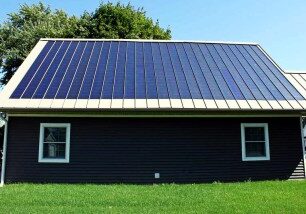
When we build a new zero energy home the first step is to maximize the efficiency of the home at the design phase. Once the home is designed to be as efficient as possible, the thin film solar panels we use to cover the roof produce more energy than the home will consume. When installing thin film soar panels, there are no holes drilled into the roof like a standard solar panel installation.
12 Important Factors
1 - Smart Design
The foundation of cost-effective zero net energy homes is sound design. Designers and architects, as well as builders and homeowners, should be conversant with all of the energy saving measures necessary to construct a net zero home. Additionally, the home should be planned in such a way that builders and subcontractors can carry out these tasks as economically as possible. There are various design parameters to which builders should request specific attention from designers. Communication between the builder and designer is crucial to ensuring that these critical aspects do not slip through the gaps.
2. Use the Sun
During the winter, utilizing the sun's heat through south-facing windows reduces heating expenditures. In the summer, shading those same windows reduces cooling expenditures. Solar tempering tries to maximize this passive utilization of the sun's heat while avoiding the additional cost of thermal mass required for optimal passive solar heating. Tempering the sun should be considered throughout the design phase.
3. Energy Modeling
The energy consumption of the home should be estimated throughout the design process using energy modeling software to ensure that the aim of net zero energy can be met while maintaining a reasonable cost. The results enable design decisions to be made or amended in order to strike a balance between building performance and construction cost.
4. Sealed Building Envelope
The single most cost-effective measure builders can take to increase the energy efficiency of a zero energy home is supersealing the building envelope. Numerous tried-and-true air-sealing techniques are available. Select a method that is compatible with your climate, capabilities, and budget.
5. Over-Insulate
After airtightening the house, superinsulating it may be the second most cost-effective option for achieving net zero energy. As discussed previously, energy modeling can assist you in optimizing the insulation levels in the ceiling, walls, and floors. Select structural solutions that facilitate building envelope insulation and minimize thermal bridging.
6. Highly Efficiency Windows and Doors
Windows and doors act as large energy leaks in a well-insulated, airtight building envelope and are the third most cost-effective way to increase the energy efficiency of a home. Control heat loss and gain through windows and doors by selecting appropriate goods, properly positioning them, and maximizing their size and orientation.
7. Fresh Air Supply
Due to the airtight nature of zero energy homes, a continual supply of fresh filtered air and moisture control are vital to their performance. This requirement for ventilation does have a silver lining: zero-energy dwellings are more healthy and comfortable than conventional homes. Highly effective ventilation systems, referred to as heat recovery ventilation (HRV) or energy recovery ventilation (ERV), exhaust stale air while recovering its heat and restoring it to the home via the fresh air.
8. Energy Efficient HVAC
Heating and cooling systems that are highly efficient and cost effective are critical to achieving the net zero energy goal. An air source ductless heat pump, often known as a mini-split heat pump, is an excellent alternative. These systems are extremely energy efficient and avoid the drawbacks of central forced-air systems and the high costs associated with thermal heat pumps.
9. Heat Water Wisdom
Water heating is frequently the most expensive source of energy in a home, second only to heating and cooling. As a result, it is critical for designers and builders to choose and locate efficient water heating equipment, as well as other steps, in order to reduce the amount of hot water used.
10. Energy Efficient Lighting
Optimizing lighting for occupants while minimizing energy use is a critical component of zero energy homes. LED lights are ideal for these jobs. They consume less energy than CFLs, last significantly longer, and contain no mercury. Additionally, they can be used to suit a variety of lighting requirements, ranging from extremely intense white light to soft, warm light. By selecting the appropriate LED lighting for the job, strategically placing lights, and maximizing the use of natural light, a home's energy consumption can be significantly reduced.
11. Appliances and Electronics
Due to the very energy efficient building shells and high efficiency HVAC and water heating equipment used in zero energy homes, a new category of energy consumption, appliances and electronics, becomes the primary source of energy expenditure in zero energy homes. As a result, choosing energy-efficient appliances and electronics becomes the final step toward reducing household energy consumption.
12. Renewable Energy
Solar photovoltaic (PV) panels connected to the grid are currently the most cost-effective source of renewable energy for a zero-energy home. They are capable of supplying all of a home's energy requirements, including lighting, heating and cooling systems, appliances, and hot water. They are, however, the most expensive component of a zero energy home, and solutions for lowering or avoiding those expenses are critical to consider.
Testimonials
Vivamus magna justo, lacinia eget consectetur sed, convallis at tellus. Praesent sapien massa, convallis a pellentesque nec, egestas non nisi. Curabitur aliquet quam id dui posuere blandit Cras ultricies ligula sed magna dictum porta.

Vivamus magna
Lacinia eget
Vivamus magna justo, lacinia eget consectetur sed, convallis at tellus. Praesent sapien massa, convallis a pellentesque nec, egestas non nisi. Curabitur aliquet quam id dui posuere blandit Cras ultricies ligula sed magna dictum porta.

Vivamus magna
Lacinia eget
Take the next step with your business today with our free guide
Quisque commodo id mi non porttitor. Aenean sapien eros, commodo in lectus eu, auctor pretium diam. Mauris non orci quis est hendrerit laoreet id eget purus. Vivamus id ex non urna pulvinar consequat. Convallis a pellentesque nec, egestas non nisi.
Exclusive bonus for first 100 downloads
Mauris non orci hendrerit laoreet first 100 downloads